Understanding Questco: Educational Overview of a Workforce Platform
Disclaimer: This post is for educational and informational purposes only and does not provide financial advice or investment guidance.
Introduction
Digital workforce management platforms have become central to how organizations structure administrative processes. These systems are designed to organize employee data, automate documentation workflows, and centralize communication between staff and administrators. This article provides an educational overview of questco as an example of a workforce administration platform. The goal is to explain how registration, navigation, and general usage typically function within such systems, without promoting or endorsing any specific service.
What Is Questco in the Context of Workforce Systems?
Questco operates within the broader category of Human Resource Information Systems (HRIS). Platforms in this category are built to support structured recordkeeping, onboarding documentation, benefits administration interfaces, compliance tracking, and internal reporting tools.
From a technical perspective, workforce platforms usually consist of:
- A secure login gateway
- A user dashboard
- Administrative panels
- Document management modules
- Employee self-service areas
The architecture typically follows a cloud-based model, allowing authorized users to access the system through encrypted web interfaces.
Registration and Account Setup Process
In workforce platforms similar to questco, registration generally occurs through employer coordination rather than public sign-up forms. The process usually includes:
- Initial Enrollment by Employer
An organization administrator enters employee identification data into the system. - Credential Invitation
The employee receives secure instructions for creating login credentials. - Identity Verification
Multi-factor authentication or verification questions may be required. - Profile Completion
Users review personal information, upload required documentation, and confirm compliance acknowledgments.
This structured registration design supports data accuracy and regulatory alignment. It also limits unauthorized access by ensuring accounts are connected to verified organizational records.
Dashboard and Navigation Overview
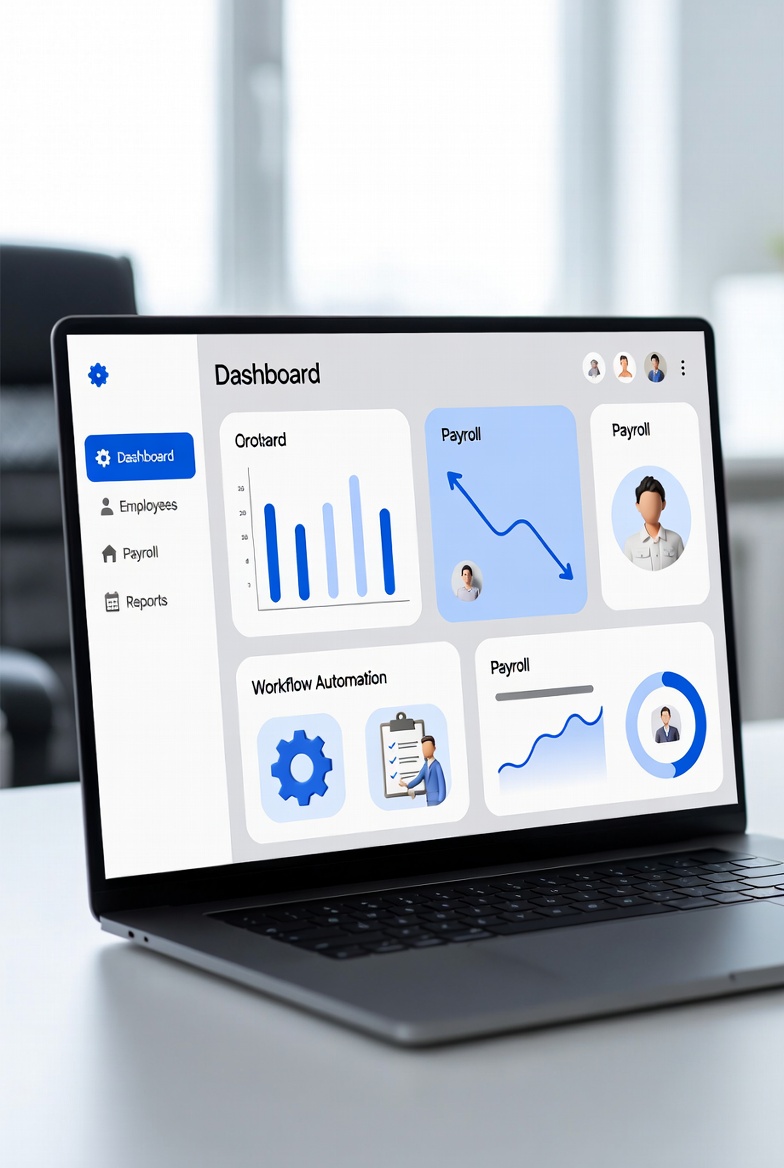
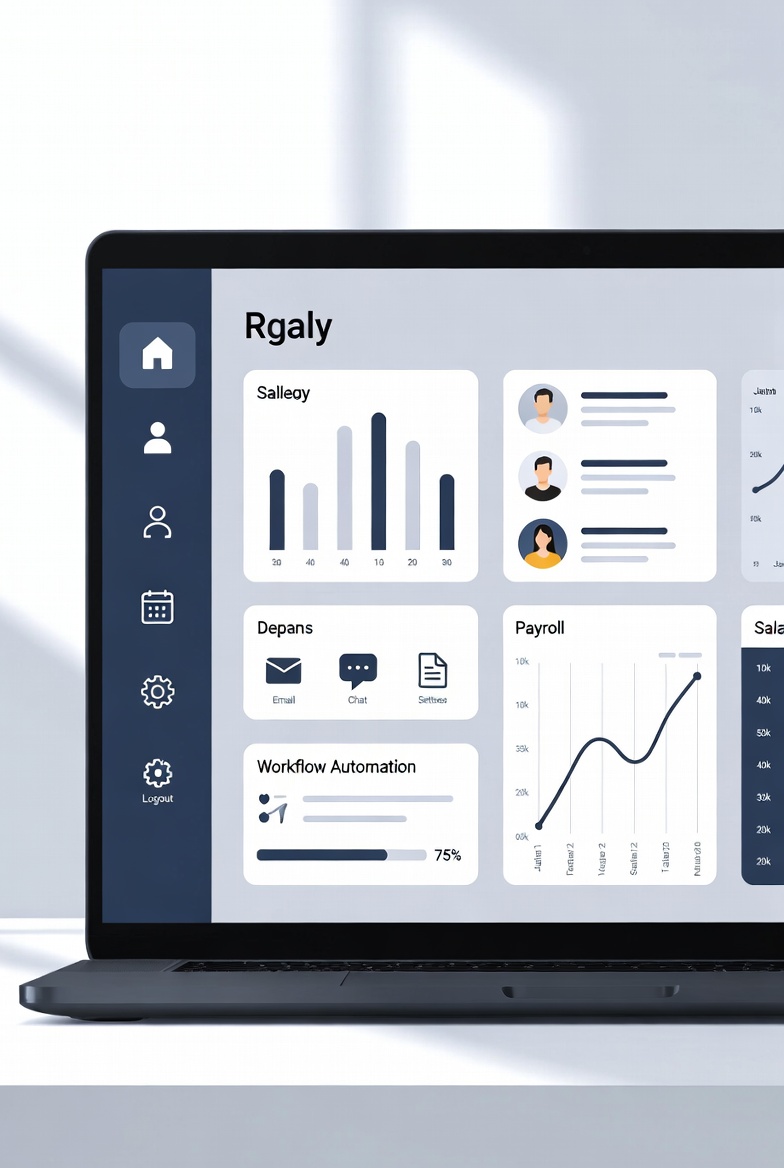
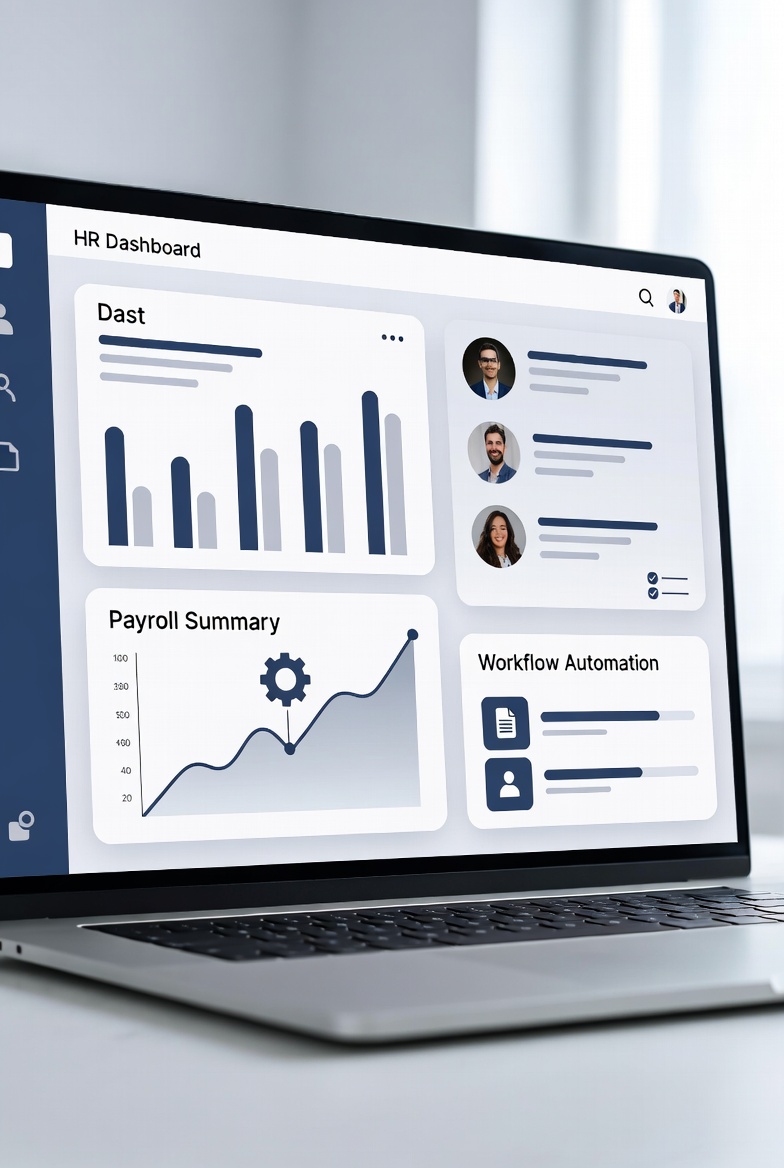
After login, users typically encounter a centralized dashboard. In systems such as questco, dashboards are structured to provide:
- Profile summary panels
- Document status indicators
- Task notifications
- Access to forms and compliance acknowledgments
- Navigation tabs for benefits, time tracking, or reporting tools
The interface design in modern workforce systems often emphasizes clarity, minimalism, and categorized menus. Sections are separated into employee self-service areas and administrative control panels.
Common navigation elements include:
- A top navigation bar
- Sidebar category menus
- Search functionality
- Notification icons
- Secure document upload modules
These elements allow structured movement across the platform without overwhelming the user.
Key Functional Areas Explained
1. Employee Self-Service
Self-service modules allow employees to:
- Review stored personal data
- Access employment documents
- Update contact information
- Track submitted forms
This reduces administrative workload while maintaining centralized data control.
2. Document Management
Digital document storage is a core component of workforce systems. Documents are typically categorized by type, status, and date. Platforms maintain encrypted storage environments to protect sensitive employment records.
3. Compliance Tracking
Compliance dashboards help administrators monitor required documentation and acknowledgments. These systems often generate automated reminders when updates are needed.
4. Reporting and Administrative Tools
Administrative users may access structured reporting panels. These tools present data summaries related to workforce metrics, participation records, and documentation status. Reports are typically exportable in standardized formats.
Comparison With Other Neutral Digital Workforce Platforms
When compared to other HRIS platforms, questco fits within a common structural model:
- Cloud-based access
- Role-based permissions
- Dashboard-centric navigation
- Document digitization
- Automated compliance alerts
While design layouts vary between providers, the underlying logic of registration, profile management, and recordkeeping remains similar across most workforce administration systems.
Differences usually involve interface styling, feature grouping, or customization depth rather than fundamental workflow structure.
Best Practices for Platform Navigation
For users interacting with workforce platforms, several general guidelines improve usability:
- Review dashboard alerts regularly
- Maintain updated personal information
- Use secure password management
- Understand role-based access limits
- Download or archive important documents when appropriate
These practices contribute to efficient system use and reduce confusion when navigating complex administrative interfaces.
Conclusion
Questco represents one example within the broader category of workforce management systems. Its structure reflects standard HRIS architecture, including secure registration, dashboard-based navigation, document management modules, and compliance tracking tools. Understanding these components helps users interpret how digital workforce platforms function across organizations. Educational familiarity with such systems improves digital literacy in administrative technology environments.
Disclaimer: This post is for educational and informational purposes only and does not provide financial advice or investment guidance.
0 Comments