Questco in Context: Educational Comparison of Workforce Administration Platforms
Disclaimer: This post is for educational and informational purposes only and does not provide financial advice or investment guidance.
Introduction
Workforce administration platforms are structured digital systems designed to centralize employee data, documentation processes, and organizational workflows. As companies increasingly adopt cloud-based HR technologies, understanding how these systems function becomes important for administrative literacy. This article presents an educational comparison of questco within the broader landscape of workforce platforms. The focus is on explaining interface structure, user processes, and system logic without promoting any service or encouraging engagement.
Positioning Questco Within HR Technology
Questco operates within the category of Human Resource Information Systems (HRIS). Platforms in this category are typically built to support:
- Digital onboarding documentation
- Personnel data management
- Secure file storage
- Administrative oversight tools
- Workflow automation
The objective of such systems is organizational clarity rather than public-facing interaction. Access is generally restricted to authorized users connected to a specific organization.
Registration and Access Structure
Unlike consumer web applications, workforce platforms often rely on employer-initiated enrollment. In systems similar to questco, the registration process commonly includes:
- Administrative data entry
- Secure invitation or credential setup
- Identity verification measures
- Profile confirmation
This controlled enrollment structure ensures that user accounts are linked to verified employment records. The process emphasizes data accuracy and access security rather than open self-registration.
Interface Overview and Navigation Logic
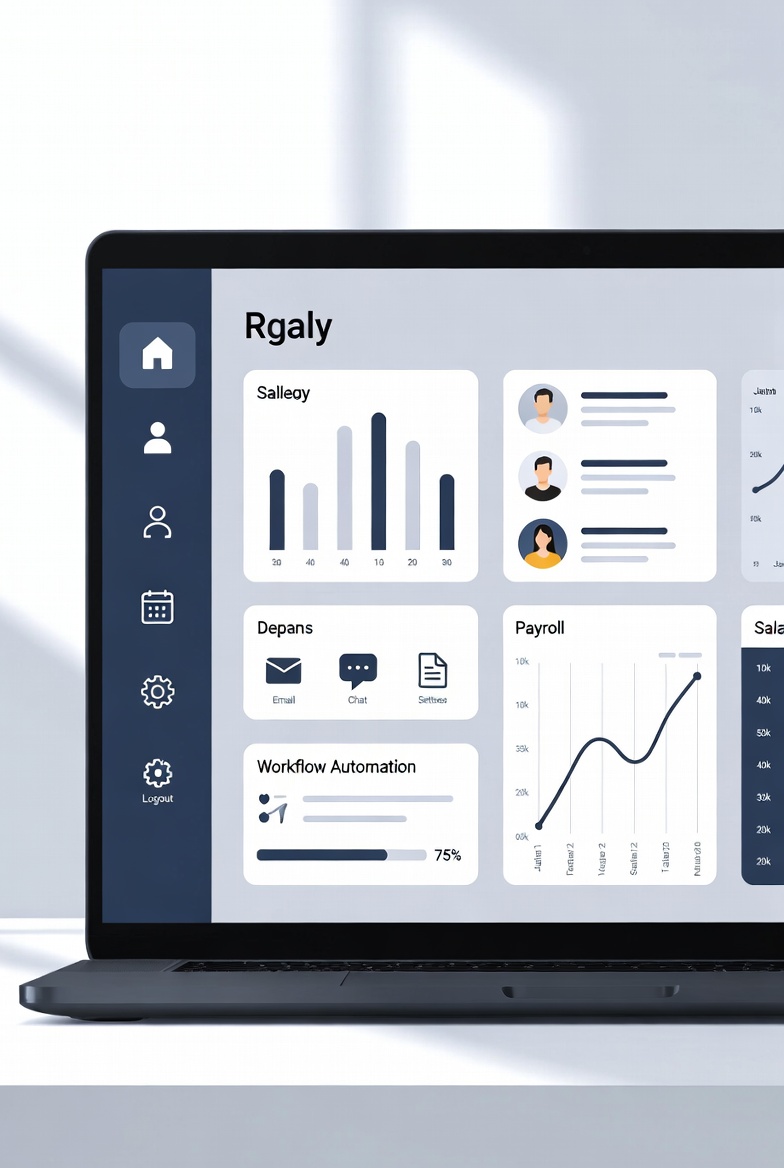
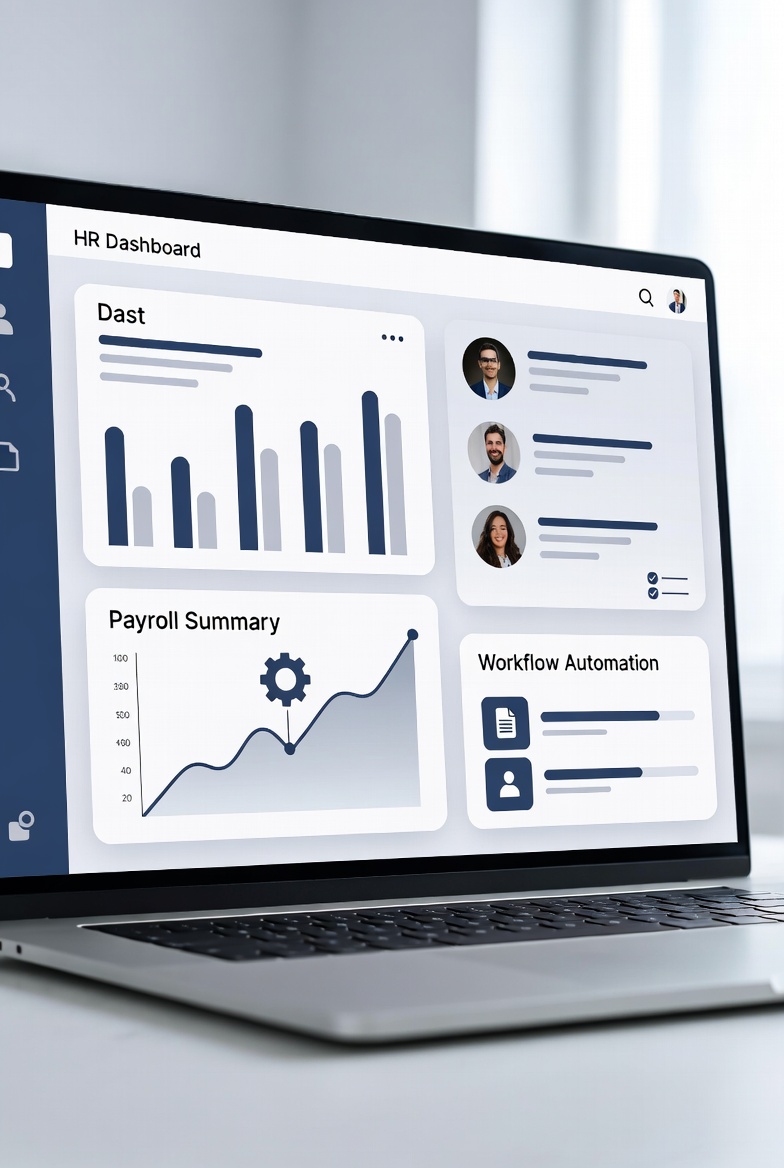
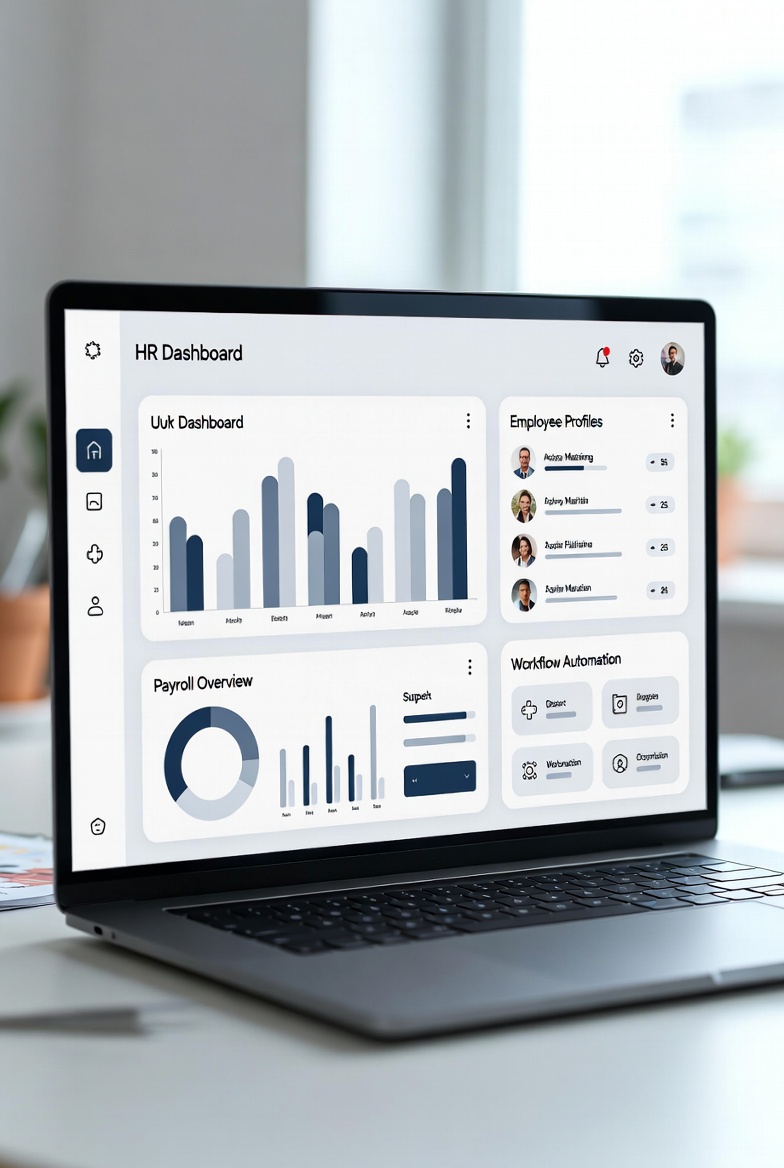
After authentication, users are typically directed to a dashboard interface. In questco and comparable HR platforms, the dashboard functions as a centralized control panel.
Common interface elements include:
- Task notification panels
- Profile overview widgets
- Document status trackers
- Navigation sidebars
- Secure messaging sections
Navigation is often organized hierarchically. Primary categories may include profile management, documentation, reporting, and administrative tools. This layered structure reduces cognitive load and supports procedural clarity.
Core Functional Components
Employee Data Management
Digital profile sections usually contain structured employment records. These records may include contact information, organizational roles, and compliance documentation history. Editing permissions are typically role-dependent.
Documentation Workflows
Document management systems are central to workforce platforms. Features often include:
- Digital form acknowledgment
- Secure upload tools
- Timestamp verification
- Categorized storage
These mechanisms streamline administrative recordkeeping and reduce reliance on paper-based processes.
Reporting and Oversight Tools
Administrative users may access reporting dashboards summarizing workforce metrics and document completion rates. Reports are generally presented in tabular or visual summary formats to support internal review.
Compliance Tracking Modules
Compliance features monitor acknowledgment requirements and documentation updates. Automated alerts notify users when actions are pending. This structured approach supports regulatory alignment within organizations.
Comparison With Other Neutral Digital Platforms
When compared with other workforce management systems, questco demonstrates structural similarities typical of HRIS platforms:
- Cloud-hosted access
- Role-based permissions
- Centralized dashboards
- Modular system architecture
- Automated notifications
Variations among platforms generally appear in interface design, customization depth, and integration options. However, the underlying logic of user enrollment, profile management, and document tracking remains consistent across most enterprise HR technologies.
Understanding these similarities provides context for evaluating digital workforce systems objectively.
User Experience Considerations
Workforce platforms are designed for administrative clarity rather than visual complexity. Typical user experience principles include:
- Minimalist design language
- Clear menu labeling
- Consistent navigation placement
- Responsive layout for multiple devices
- Logical grouping of related tasks
These design strategies aim to improve efficiency in environments where documentation accuracy is critical.
Data Protection and System Governance
Security is a foundational element of workforce platforms. Systems comparable to questco typically implement:
- Encrypted login sessions
- Multi-layer authentication
- Access logging
- Role-based data visibility
- Secure hosting infrastructure
These controls protect sensitive personnel information and maintain system integrity within organizational settings.
Conclusion
Questco represents a structured example of a workforce administration platform operating within established HRIS standards. Its registration model, dashboard-oriented navigation, documentation workflows, and compliance tracking modules align with common enterprise design practices. By examining questco in comparison with other neutral workforce systems, readers gain a clearer understanding of how digital HR platforms function within professional environments. This perspective supports informed awareness of workforce technology architecture without promoting specific services.
Disclaimer: This post is for educational and informational purposes only and does not provide financial advice or investment guidance.
0 Comments