Disclaimer: This post is for educational and informational purposes only and does not provide financial advice or investment guidance.
Introduction
Digital workforce platforms are structured to centralize employment-related processes within secure and organized systems. These platforms combine profile management, documentation workflows, compliance tracking, and administrative oversight into unified digital environments. This article provides a structured educational review of questco, focusing on system architecture, user workflow, and interface logic. The objective is to clarify how such platforms operate without promoting any service or encouraging platform usage.
Understanding the Architecture of Workforce Platforms
Platforms such as questco typically operate within a cloud-based framework. This means that data is stored securely on remote servers and accessed through encrypted web sessions. The system architecture usually includes:
- Authentication gateway
- Role-based access control
- Centralized database management
- Modular feature design
- Secure document repository
This layered structure ensures that information is accessible only to authorized users while maintaining data organization and workflow efficiency.
Login and Authentication Framework
The login system represents the first interaction point. Workforce platforms commonly apply structured authentication protocols:
- Username and password entry
- Multi-factor verification when required
- Session encryption during active use
- Automatic session timeout after inactivity
These measures protect user data and prevent unauthorized system access. The authentication framework is a core feature of enterprise-grade HR technology systems.
User Workflow: From Dashboard to Task Completion
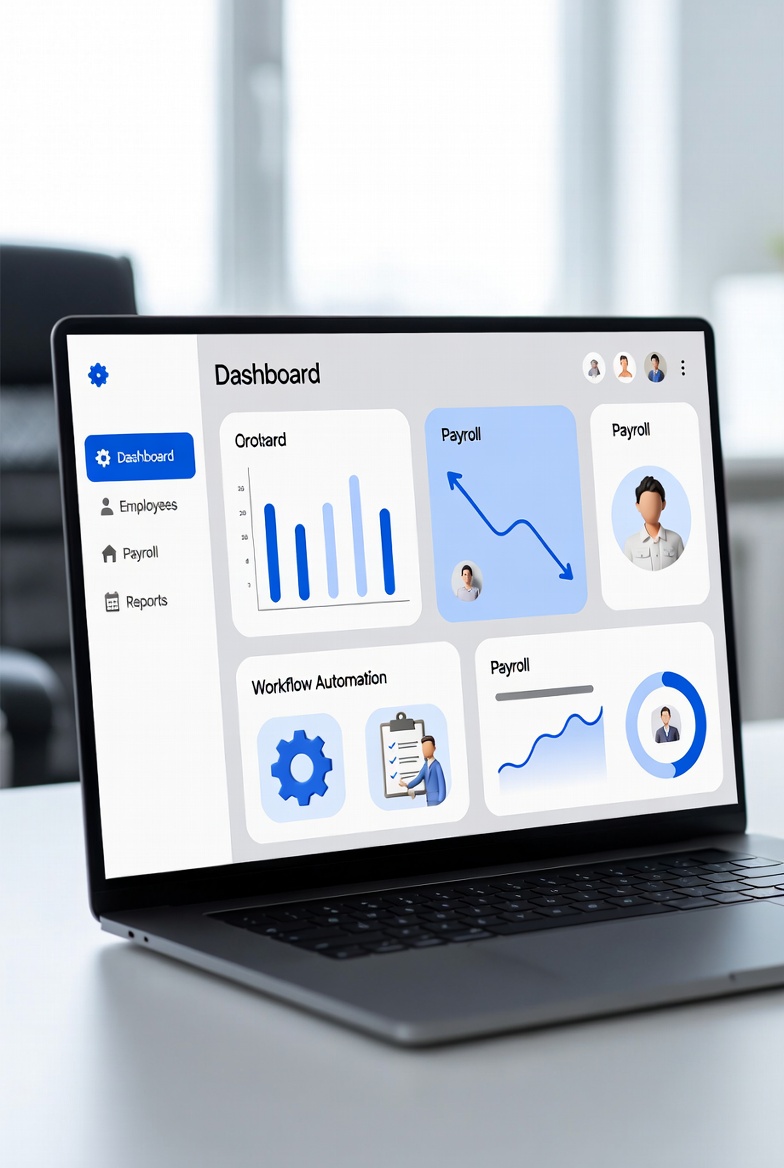
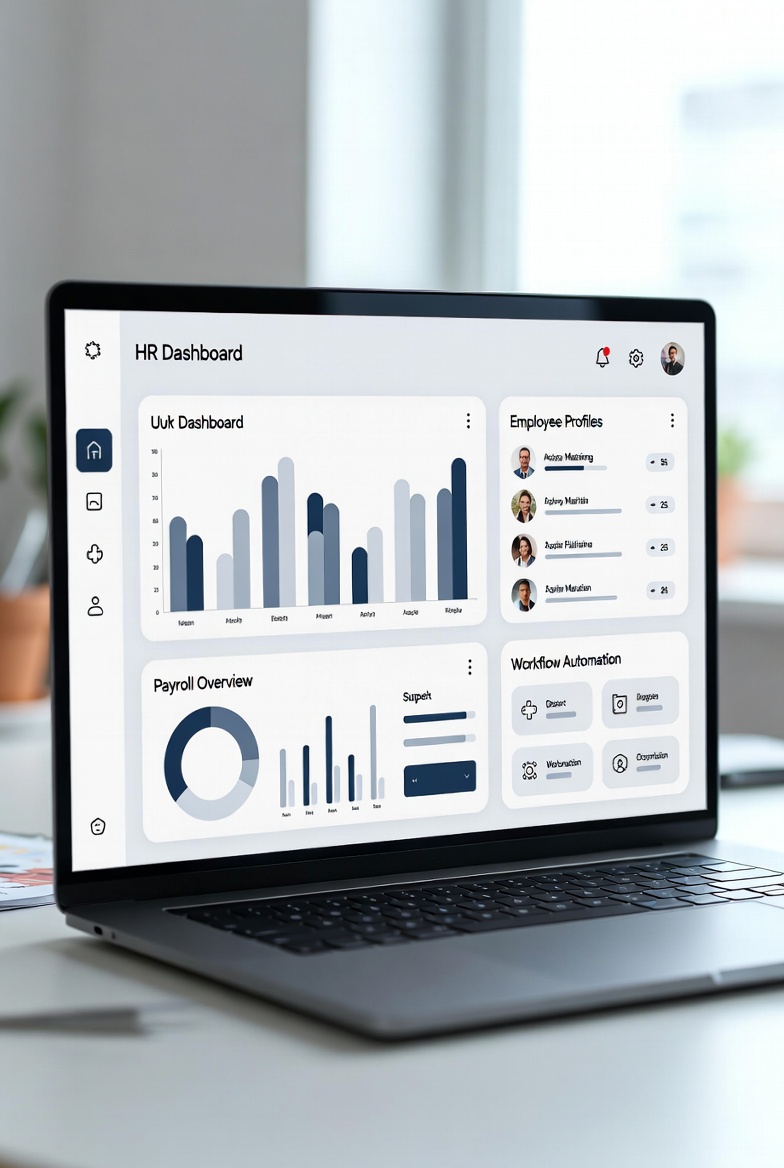
Once logged in, users are directed to a dashboard. In questco and similar systems, the dashboard acts as a centralized navigation hub.
Typical dashboard elements include:
- Status indicators
- Pending task alerts
- Quick-access buttons
- Profile summary panels
- Navigation tabs
The dashboard design is usually structured to reduce complexity. Tasks are grouped into logical categories to support intuitive movement across the platform.
A common workflow sequence may include:
- Reviewing notifications
- Opening a specific module
- Updating or confirming required information
- Submitting digital forms
- Receiving confirmation status
This linear workflow structure ensures procedural clarity.
Module Breakdown and Functional Areas
Profile Management
Profile sections typically contain structured fields for employment data. Users may review information and, in some cases, update limited entries. Administrative permissions often restrict access to more sensitive data fields.
Digital Documentation
Document modules enable uploading, reviewing, and acknowledging digital files. These systems commonly include:
- Categorized document folders
- Upload confirmation messages
- Timestamp records
- Audit tracking
Version tracking mechanisms ensure transparency when records are updated.
Administrative Reporting
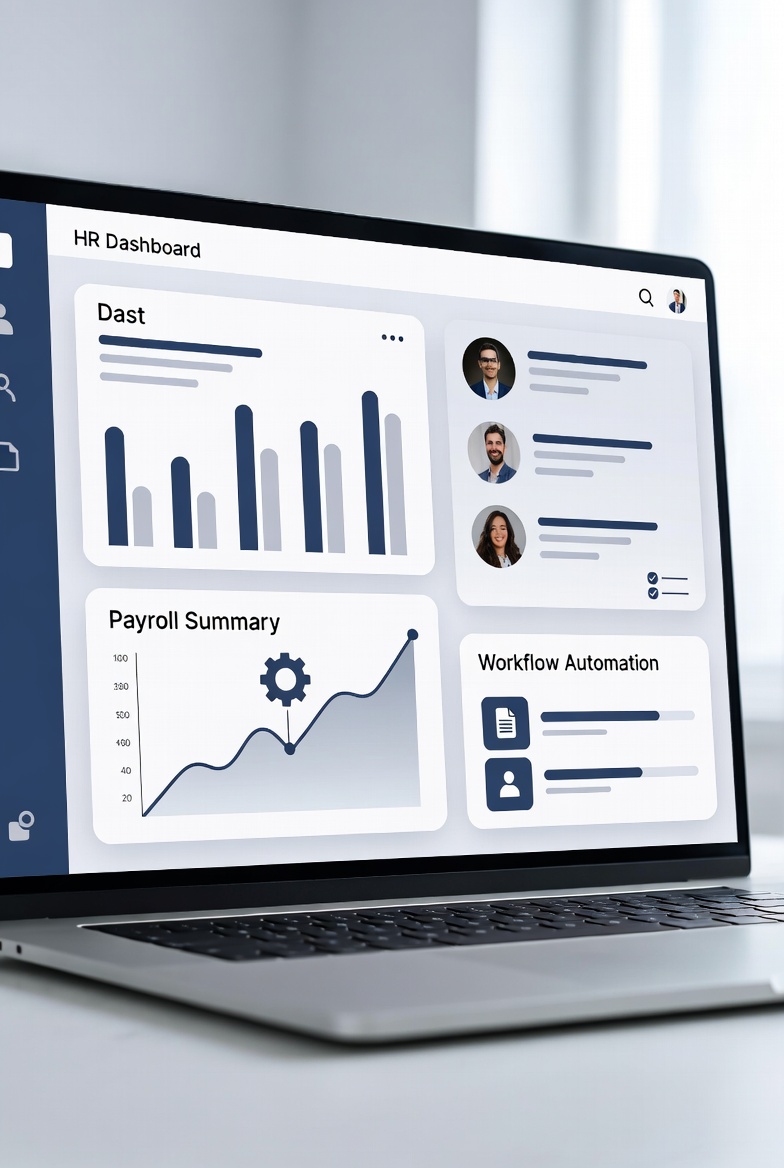
Administrative users may access dashboards that summarize workforce data trends, participation metrics, and document completion status. These reporting tools usually present information in structured table or chart formats.
Compliance Monitoring
Compliance modules are designed to track acknowledgment forms and required documentation updates. Automated notifications help ensure timely completion of required actions.
Comparison With Other Neutral HR Systems
Questco aligns with broader HRIS standards observed across enterprise workforce platforms. Common shared characteristics include:
- Secure web-based access
- Dashboard-oriented interface design
- Modular feature segmentation
- Automated notification systems
- Permission-based user roles
Differences across platforms typically relate to interface aesthetics, customization flexibility, and integration capacity rather than structural workflow logic.
Understanding these similarities helps users interpret platform functions objectively without focusing on brand-specific features.
Interface Design Principles
Modern workforce systems are generally designed around usability and clarity. Common interface characteristics include:
- Minimalist layout
- Clear iconography
- Structured menu hierarchy
- Responsive web design
- Consistent navigation elements
These design principles aim to support both technical and non-technical users in navigating administrative tasks efficiently.
Data Security and Governance
Enterprise workforce platforms typically implement:
- Encrypted data transmission
- Secure hosting environments
- Access logs and audit trails
- Periodic credential verification
Such controls form part of broader data governance strategies within digital administrative systems.
Educational awareness of these mechanisms enhances understanding of how workforce data is protected in online environments.
Conclusion
Questco provides a representative example of a structured workforce management platform operating within established HRIS architectural standards. Its authentication processes, dashboard-centered workflow, modular feature organization, and compliance tracking mechanisms reflect common enterprise design practices. By analyzing system architecture and user workflow, readers can better understand how digital workforce platforms function within organizational environments.
Disclaimer: This post is for educational and informational purposes only and does not provide financial advice or investment guidance.
0 Comments