Navigating Questco: Registration, Interface Structure, and System Logic
Disclaimer: This post is for educational and informational purposes only and does not provide financial advice or investment guidance.
Introduction
Modern workforce platforms are designed to centralize administrative workflows within a secure digital environment. These systems typically integrate onboarding documentation, personnel records, and internal process tracking into one structured interface. This article provides a structured and neutral educational review of questco, focusing on how users register, navigate the interface, and understand system functionality. The purpose is to explain the operational logic behind such platforms without endorsing or promoting any specific service.
The Role of Workforce Administration Platforms
Workforce systems like questco belong to the broader HR technology ecosystem. These platforms serve as centralized hubs for:
- Employee profile management
- Secure document storage
- Digital acknowledgment tracking
- Administrative reporting
- Internal compliance monitoring
Their architecture generally relies on cloud infrastructure, role-based permissions, and encrypted access controls. This structure ensures that only authorized users can access specific modules.
Structured Registration Process
Unlike public web services, workforce platforms often require employer-based enrollment. The registration flow typically follows these stages:
1. Employer Initiation
An authorized administrator creates a user entry within the platform database.
2. Credential Activation
The employee receives secure instructions to activate their account. This often includes time-sensitive links to protect system integrity.
3. Authentication Setup
Users configure passwords and, in many systems, enable multi-factor authentication. This step strengthens data security.
4. Profile Confirmation
The user reviews personal information and confirms accuracy before proceeding to dashboard access.
This layered registration approach is common across HR platforms and ensures structured onboarding within controlled environments.
Interface Structure and User Experience
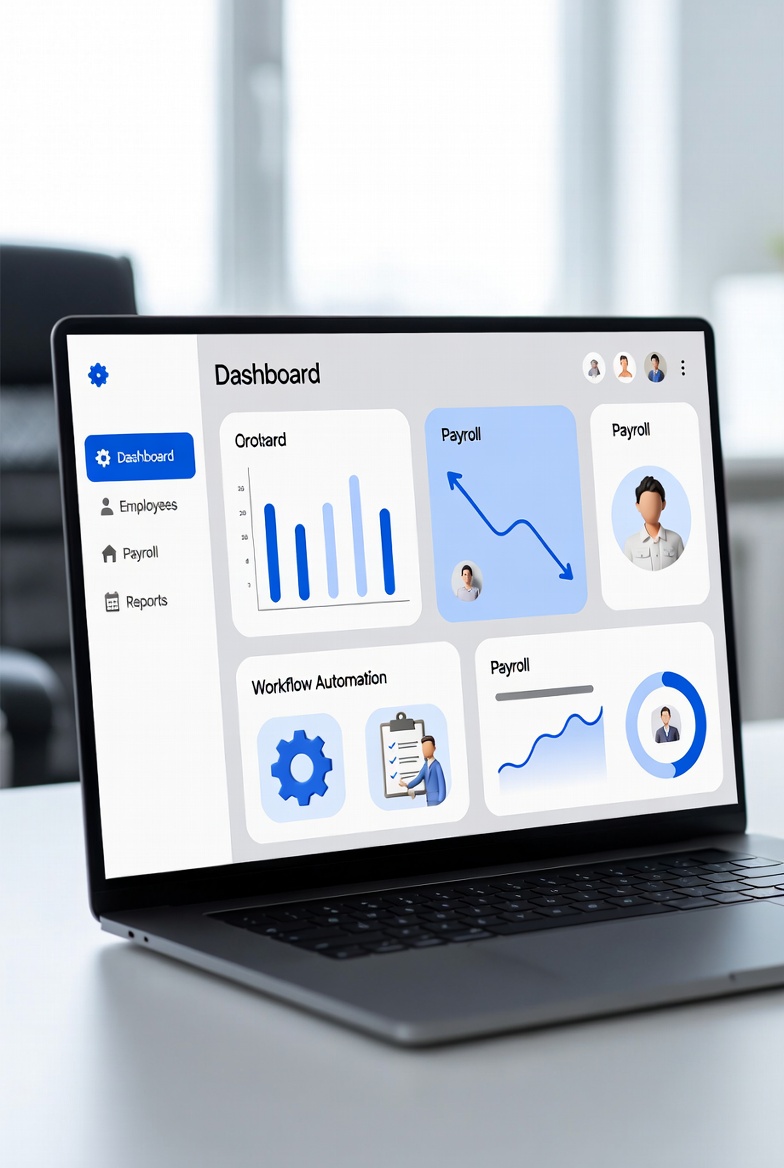
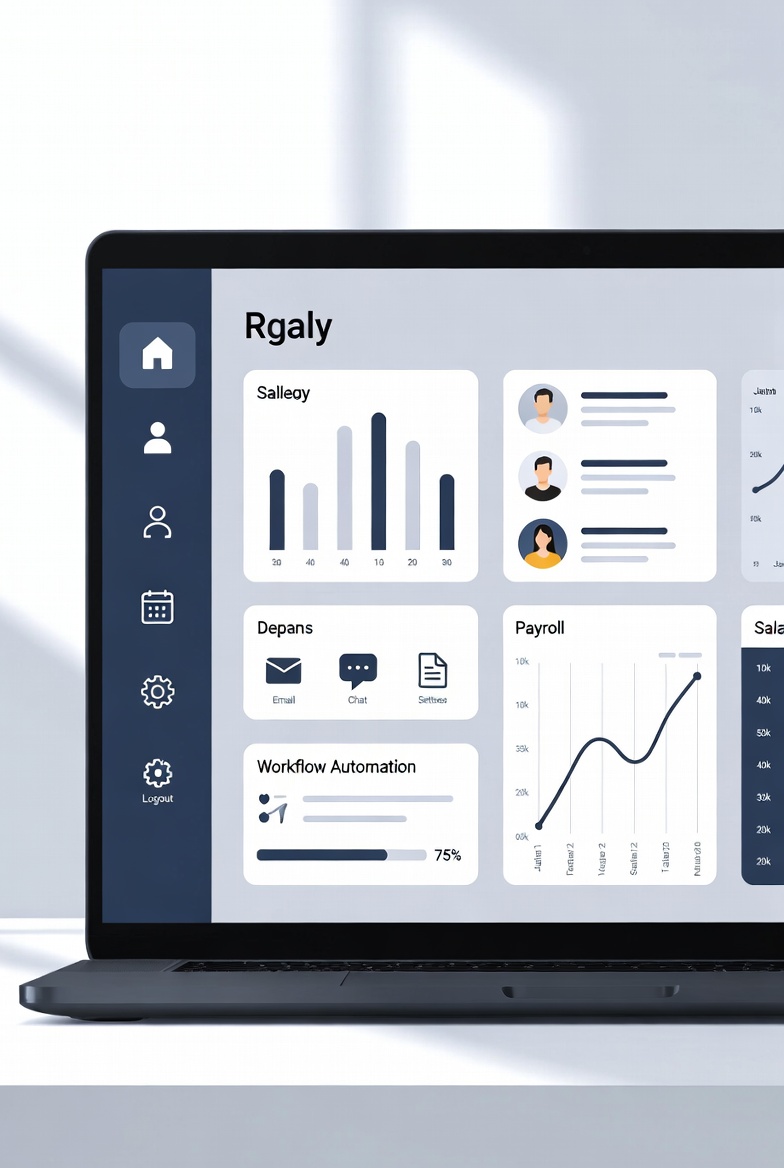
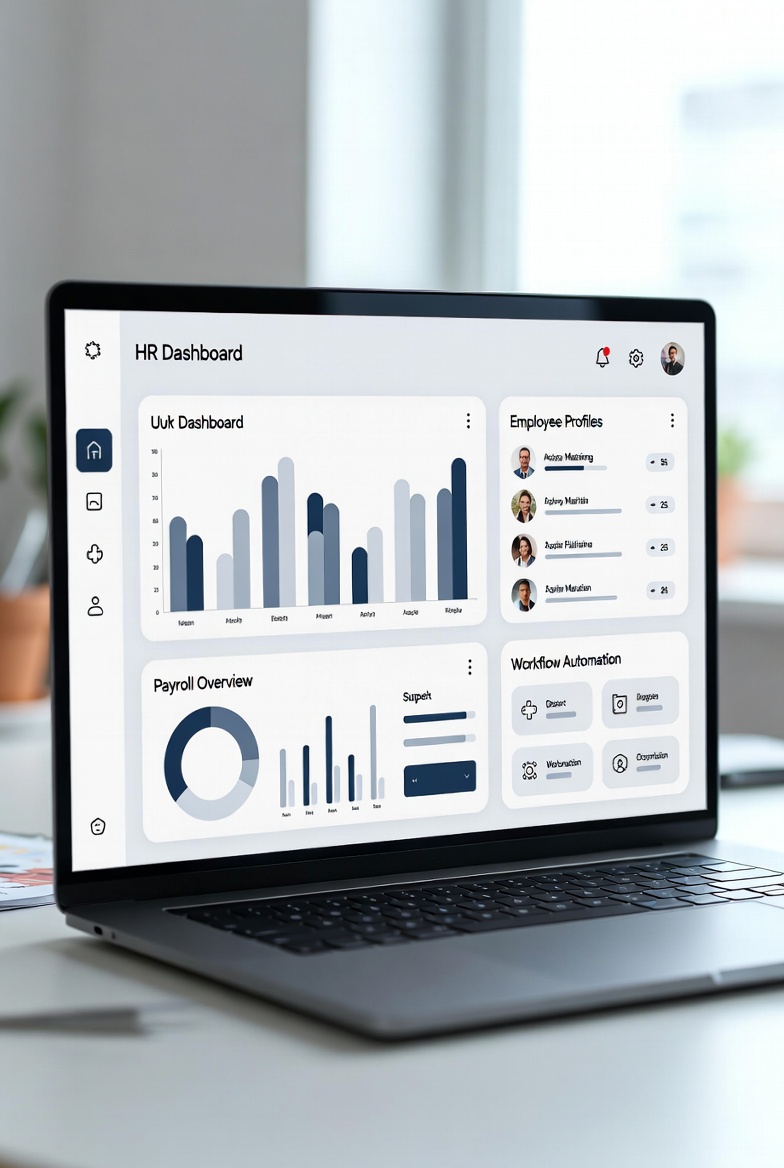
After logging in, users typically encounter a dashboard. In questco, as in comparable platforms, the dashboard acts as a central navigation point.
Common dashboard components include:
- Task notifications
- Profile overview summaries
- Status indicators for documentation
- Navigation menus
- Alerts or reminders
The interface design generally prioritizes clarity. Menus are categorized logically, often separating employee functions from administrative functions. This reduces confusion and supports efficient navigation.
Core Functional Modules
Employee Profile Section
The profile area usually contains structured data fields such as:
- Contact details
- Employment information
- Organizational role classification
- Historical documentation records
Users can often update limited fields, while administrative sections remain restricted to authorized personnel.
Document and Form Management
Digital documentation is a key component of workforce systems. Files are organized by type and date. Upload processes typically include confirmation steps and automated validation checks.
Version control mechanisms may be integrated to track updates over time. This ensures document integrity within the platform.
Notifications and Alerts
Automated alerts help users stay informed about required actions. These may include pending acknowledgments, document updates, or profile reviews. Notifications are often displayed on the dashboard and via secure internal messaging tools.
Administrative Controls
Administrators generally have access to expanded tools such as:
- Workforce reporting dashboards
- Permission configuration panels
- Audit tracking systems
- Organizational structure mapping
These tools enable centralized oversight without exposing sensitive controls to standard users.
Comparison With Other Digital Workforce Systems
When evaluated alongside other HRIS platforms, questco shares several common structural characteristics:
- Secure login portals
- Dashboard-based workflow organization
- Role-based access permissions
- Centralized document repositories
- Automated compliance indicators
Differences across platforms usually appear in interface design, customization flexibility, or integration options with third-party systems. However, the foundational workflow logic remains consistent across most workforce technologies.
Security and Data Architecture Considerations
Workforce platforms typically implement multiple layers of security:
- Encrypted web sessions
- Password complexity requirements
- Access logging
- Periodic credential verification
Such safeguards protect personnel data within structured digital environments. Educational understanding of these mechanisms helps users interpret how information is protected in enterprise systems.
Practical Navigation Tips
To use workforce platforms effectively:
- Review dashboard alerts regularly
- Confirm document submissions after upload
- Maintain accurate profile information
- Understand role limitations within the system
- Use secure authentication practices
These habits improve clarity and reduce administrative delays.
Conclusion
Questco represents a structured example of a workforce administration platform within the HR technology landscape. Its registration process, dashboard-centered navigation, and modular architecture align with standard HRIS design principles. By understanding the registration workflow, interface structure, and functional modules, users gain broader insight into how modern workforce platforms operate. This educational perspective supports informed digital literacy in administrative systems.
Disclaimer: This post is for educational and informational purposes only and does not provide financial advice or investment guidance.
0 Comments